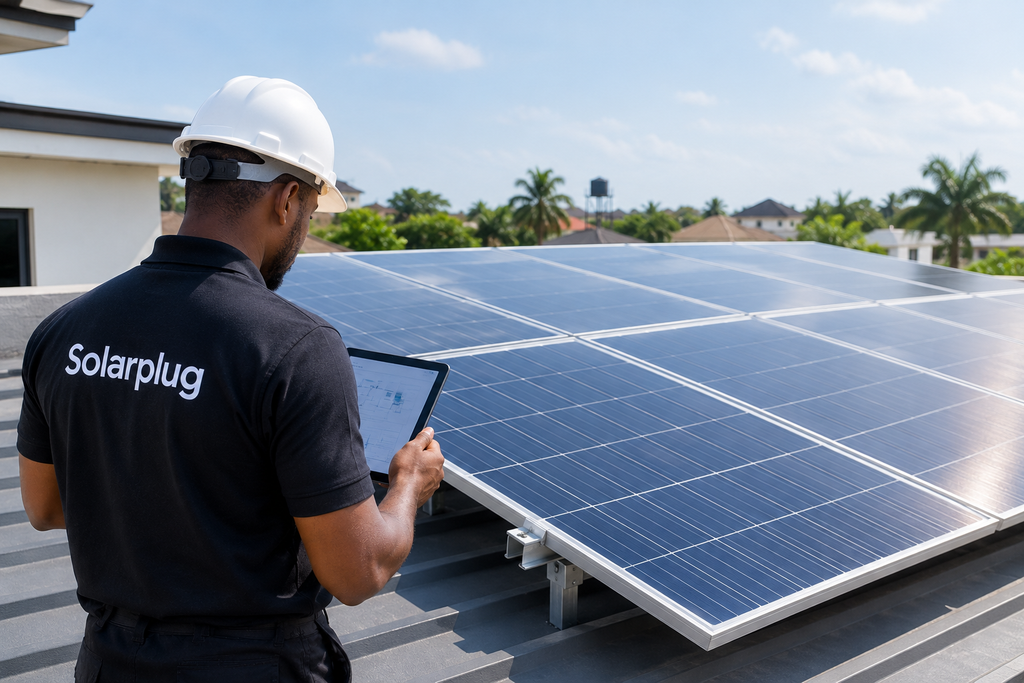

Choosing the right solar system goes beyond buying panels, an inverter, and batteries. To get reliable power and value for your money, you need a system designed around your actual electricity needs. Here is what every homeowner or business owner should know before making a decision.
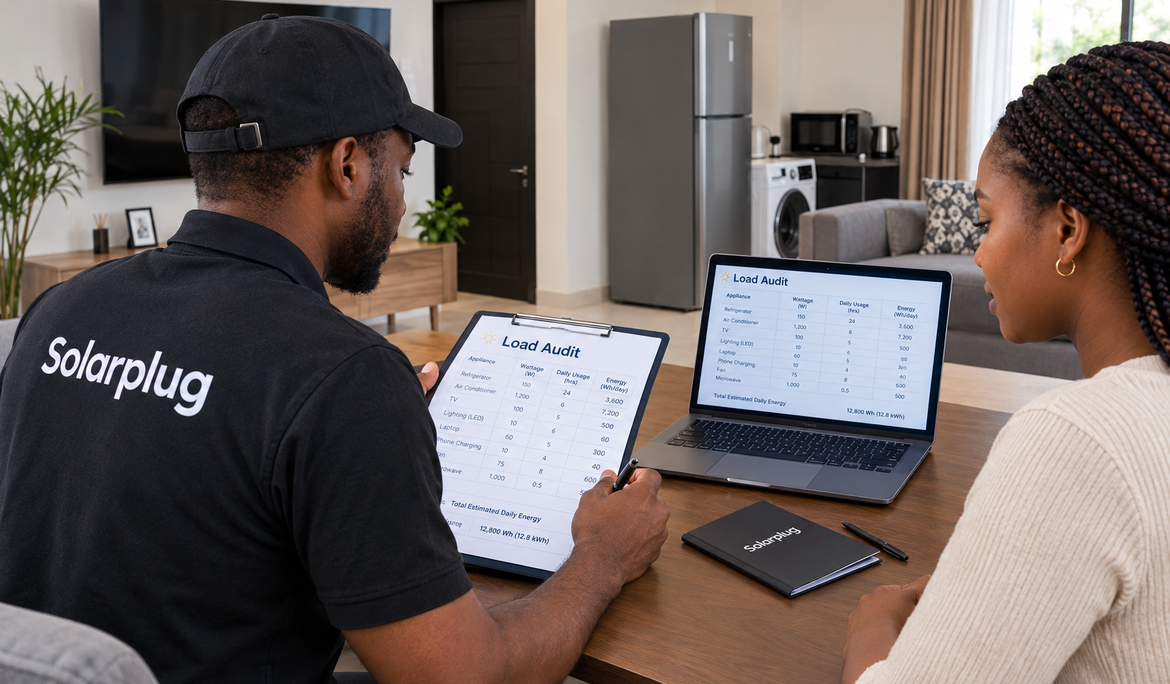
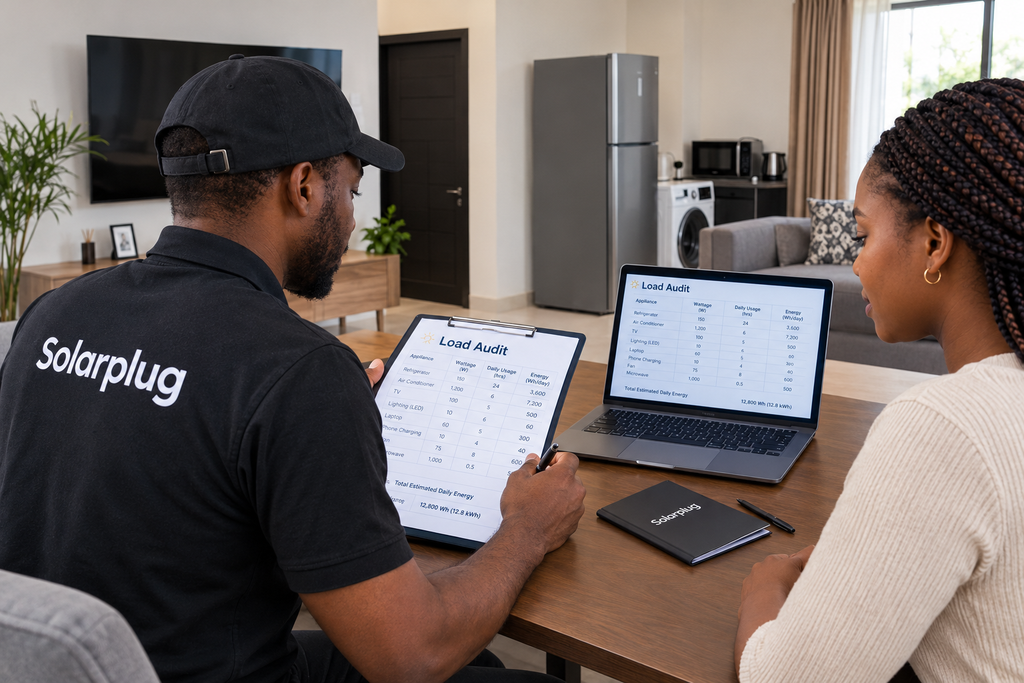
1. Load Audit: Know What You Want to Power
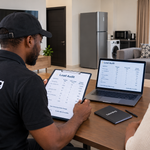
A load audit identifies the electrical appliances you use, their power ratings, and how many hours you need them to operate. From your refrigerator and air conditioners to lighting, televisions, and computers, every appliance matters.
This assessment helps determine the right system capacity and prevents you from spending money on a system that cannot meet your needs.
2. Inverter Capacity: Choose the Right Size
The inverter converts your batteries’ DC power into AC electricity for your appliances. Its capacity must accommodate the appliances you intend to run simultaneously, including the starting surge of equipment such as refrigerators and pumps.
3. Battery Capacity: How Long Do You Need Power?
Your battery determines how much stored energy is available when sunlight or grid electricity is insufficient. Your required backup time, energy consumption, and battery type all influence the capacity you need.
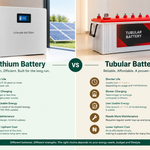
Lithium batteries generally offer greater usable capacity and lower maintenance, while tubular batteries can provide a more affordable initial option.
4. Solar Panels: Generate the Power You Need